


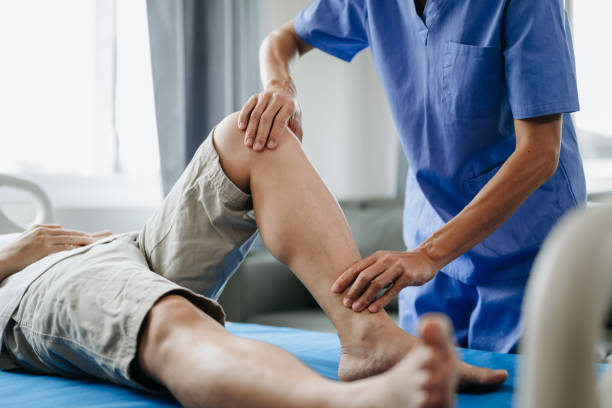
Physiotherapy is a rewarding healthcare profession that combines scientific knowledge with hands-on patient care. If you’re passionate about helping people recover from injuries, manage chronic conditions, and improve their quality of life, a career in physiotherapy might be your calling. This comprehensive guide walks you through the educational pathway from Grade 12 to advanced studies abroad.
Understanding the Physiotherapy Profession
Physiotherapists are healthcare professionals who diagnose and treat individuals with physical impairments, disabilities, or pain. They work in diverse settings including hospitals, sports clinics, rehabilitation centers, private practices, and community health facilities. The profession offers excellent career prospects with growing demand worldwide due to aging populations and increased awareness of preventive healthcare.
Starting Your Journey: After Grade 12
Bachelor’s Degree in Physiotherapy
After completing Grade 12, your first step is pursuing a Bachelor’s degree in Physiotherapy. Most countries offer programs such as Bachelor of Physiotherapy (BPT), Bachelor of Science in Physiotherapy (BSc PT), or Doctor of Physical Therapy (DPT) for entry-level students.
Eligibility Requirements:
- Completion of Grade 12 with Physics, Chemistry, and Biology
- Minimum aggregate percentage (typically 50-60% depending on the institution)
- Entrance examination scores (varies by country and institution)
- English language proficiency for international programs
Duration: Typically 4 to 5 years, including clinical internships
Key Subjects Covered:
- Anatomy and Physiology
- Biomechanics and Kinesiology
- Therapeutic Exercise
- Electrotherapy and Modalities
- Orthopedic and Neurological Physiotherapy
- Cardiopulmonary Rehabilitation
- Sports Physiotherapy
Advancing Your Career: Master’s in Physiotherapy
After gaining your bachelor’s degree and some clinical experience, pursuing a Master’s degree allows you to specialize in specific areas and opens doors to research, teaching, and advanced clinical roles.
Popular Specializations
- Musculoskeletal Physiotherapy
- Neurological Rehabilitation
- Sports Physiotherapy
- Pediatric Physiotherapy
- Cardiorespiratory Physiotherapy
- Geriatric Physiotherapy
- Women’s Health Physiotherapy
Top Countries for Studying Physiotherapy Abroad
- United States
The US offers world-class physiotherapy programs with cutting-edge research facilities and clinical exposure.
Popular Programs:
- Doctor of Physical Therapy (DPT) – entry-level professional degree
- Master of Science in Physical Therapy (MSPT)
- PhD in Physical Therapy (for research-focused careers)
Admission Requirements:
- Bachelor’s degree with prerequisite courses in anatomy, physiology, biology, chemistry, and physics
- GRE scores (for most graduate programs)
- TOEFL/IELTS scores (minimum TOEFL 80-100 or IELTS 6.5-7.0)
- Letters of recommendation
- Statement of purpose
- Observation hours in clinical settings (typically 50-100 hours)
Estimated Cost: $30,000 – $70,000 per year
- United Kingdom
The UK has a strong tradition in physiotherapy education with excellent clinical training opportunities.
Popular Programs:
- MSc Physiotherapy (pre-registration for non-physios)
- MSc Advanced Physiotherapy
- MSc Sports Physiotherapy
Admission Requirements:
- Bachelor’s degree in physiotherapy or related field (depending on program type)
- IELTS score of 7.0 overall (with minimum 6.5 in each component)
- Personal statement
- Two academic references
- CV demonstrating relevant experience
Estimated Cost: £15,000 – £30,000 per year
- Australia
Australia offers high-quality education with a strong focus on evidence-based practice and diverse clinical placements.
Popular Programs:
- Master of Physiotherapy Practice
- Master of Physiotherapy Studies
- Doctor of Physiotherapy
Admission Requirements:
- Bachelor’s degree with relevant prerequisites
- IELTS score of 7.0 overall (minimum 7.0 in each band for some universities)
- CV and personal statement
- Interview (for some institutions)
Estimated Cost: AUD 40,000 – 65,000 per year
- Canada
Canadian institutions are known for their research excellence and inclusive learning environments.
Popular Programs:
- Master of Physical Therapy (MPT)
- Master of Science in Physical Therapy (MScPT)
Admission Requirements:
- Bachelor’s degree with specific prerequisite courses
- GRE scores (required by some universities)
- TOEFL/IELTS (TOEFL 90-100 or IELTS 7.0)
- Observation or volunteer hours in physiotherapy settings
- Strong academic record (typically GPA of 3.0 or higher)
- Letters of reference
Estimated Cost: CAD 20,000 – 45,000 per year
- Germany
Germany offers affordable or tuition-free education at public universities with excellent research opportunities.
Popular Programs:
- Master of Science in Physiotherapy
- Master’s in Sports Physiotherapy
Admission Requirements:
- Recognized bachelor’s degree in physiotherapy
- German language proficiency (TestDaF or DSH) for German-taught programs, or IELTS/TOEFL for English-taught programs
- CV and motivation letter
- Academic transcripts
Estimated Cost: €0 – €20,000 per year (public universities often charge minimal fees)
- Netherlands
The Netherlands combines innovative teaching methods with international perspectives.
Popular Programs:
- Master in Musculoskeletal Physiotherapy
- Master in Manual Therapy
Admission Requirements:
- Bachelor’s degree in physiotherapy
- IELTS 6.5-7.0 or TOEFL 90-100
- CV and motivation letter
- Proof of work experience (for some programs)
Estimated Cost: €10,000 – €20,000 per year
Licensing and Registration Requirements
After completing your degree, you’ll need to obtain licensure or registration to practice professionally. Requirements vary by country:
- US: Pass the National Physical Therapy Examination (NPTE) and obtain state licensure
- UK: Register with the Health and Care Professions Council (HCPC)
- Australia: Register with the Australian Health Practitioner Regulation Agency (AHPRA)
- Canada: Provincial licensing through provincial regulatory bodies
Tips for Successful Applications
- Start Early: Begin researching programs and requirements at least 12-18 months before your intended start date
- Gain Experience: Volunteer or work in physiotherapy settings to strengthen your application
- Strong Academic Record: Maintain high grades, especially in science courses
- Prepare for Tests: Allocate sufficient time for GRE and English proficiency test preparation
- Craft Compelling Essays: Clearly articulate your passion for physiotherapy and career goals
- Seek Quality References: Build relationships with professors and supervisors who can write strong recommendations
- Research Funding: Explore scholarships, assistantships, and financial aid options
Conclusion
A career in physiotherapy offers the opportunity to make a tangible difference in people’s lives while enjoying professional growth and financial stability. Whether you choose to study in your home country or pursue international education, the key is selecting programs that align with your career aspirations and specialization interests. With dedication, proper planning, and the right qualifications, you can build a fulfilling career in this dynamic healthcare profession.
The journey from Grade 12 to becoming a specialized physiotherapist requires commitment, but the rewards of helping patients regain mobility, reduce pain, and improve their quality of life make it truly worthwhile.
At Sky Dream International, we help students select the best-fit universities.
Call: 91-7039191910 | Email: jay@skydream.co.in | www.skydream.co.in